


Get ballast sized to the way the job runs
Concrete work stays supplied
Bulk ballast helps reduce delays caused by repeated trips for smaller quantities.
Quantity matched to the pour
Ordering is shaped by the concrete volume and how the site plans to use it.
Prepared unloading matters
A clear, clean tipping area helps protect the ballast before it is mixed.
Keep concrete work supplied without repeated shortfalls
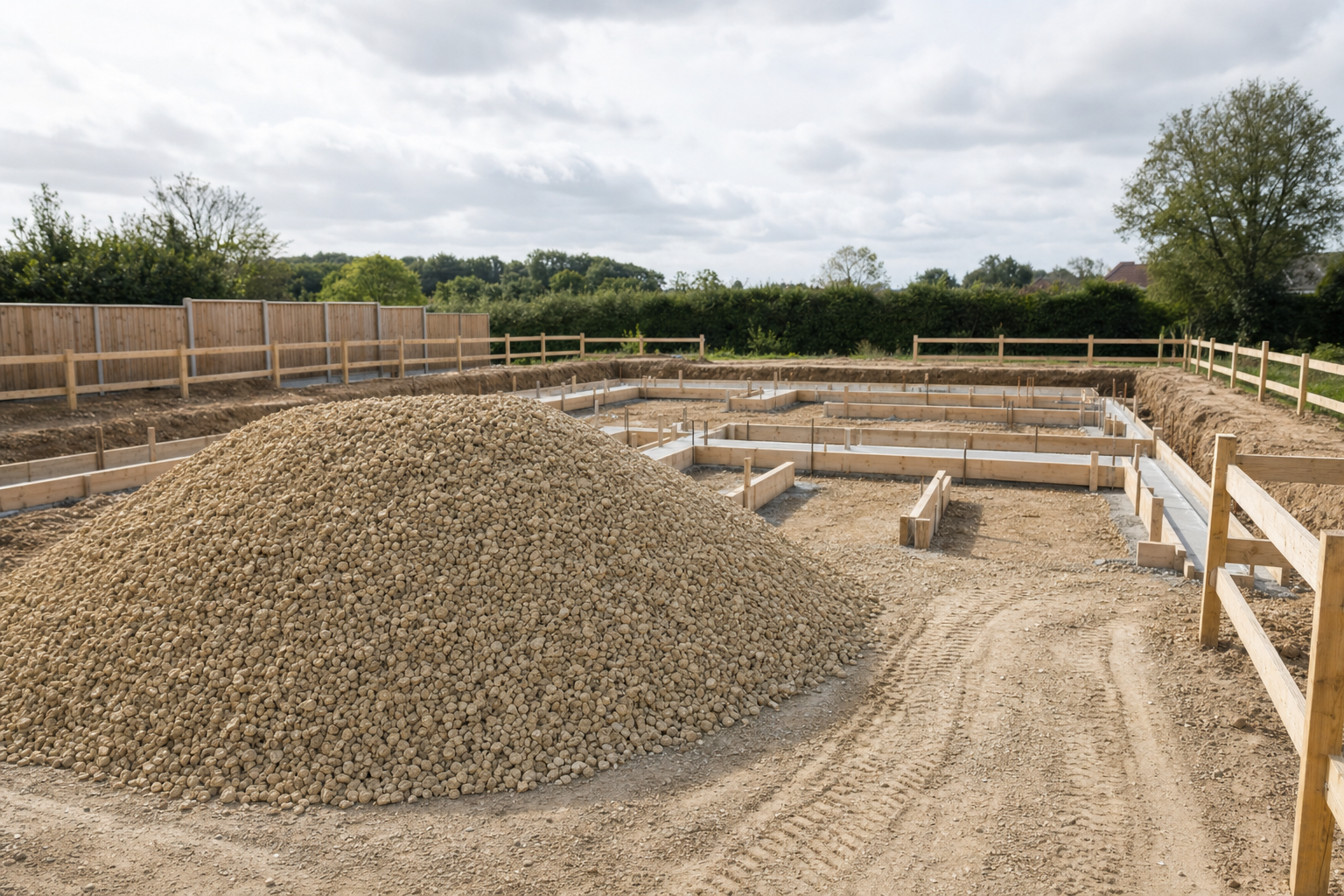
Ballast is commonly used for mixing concrete for foundations, bases, footings and general construction work, so the quantity you bring in matters to the pace of the job. In Romford, we supply ballast in bulk loads planned around the volume of concrete you need to produce and the way the site is set up to handle it. With HD Grab Hire Ltd, you can line up the material for small domestic work or larger trade projects without relying on repeated bag collections. Consistent supply helps you keep the pour moving once the work starts.
Plan the load around storage and site handling
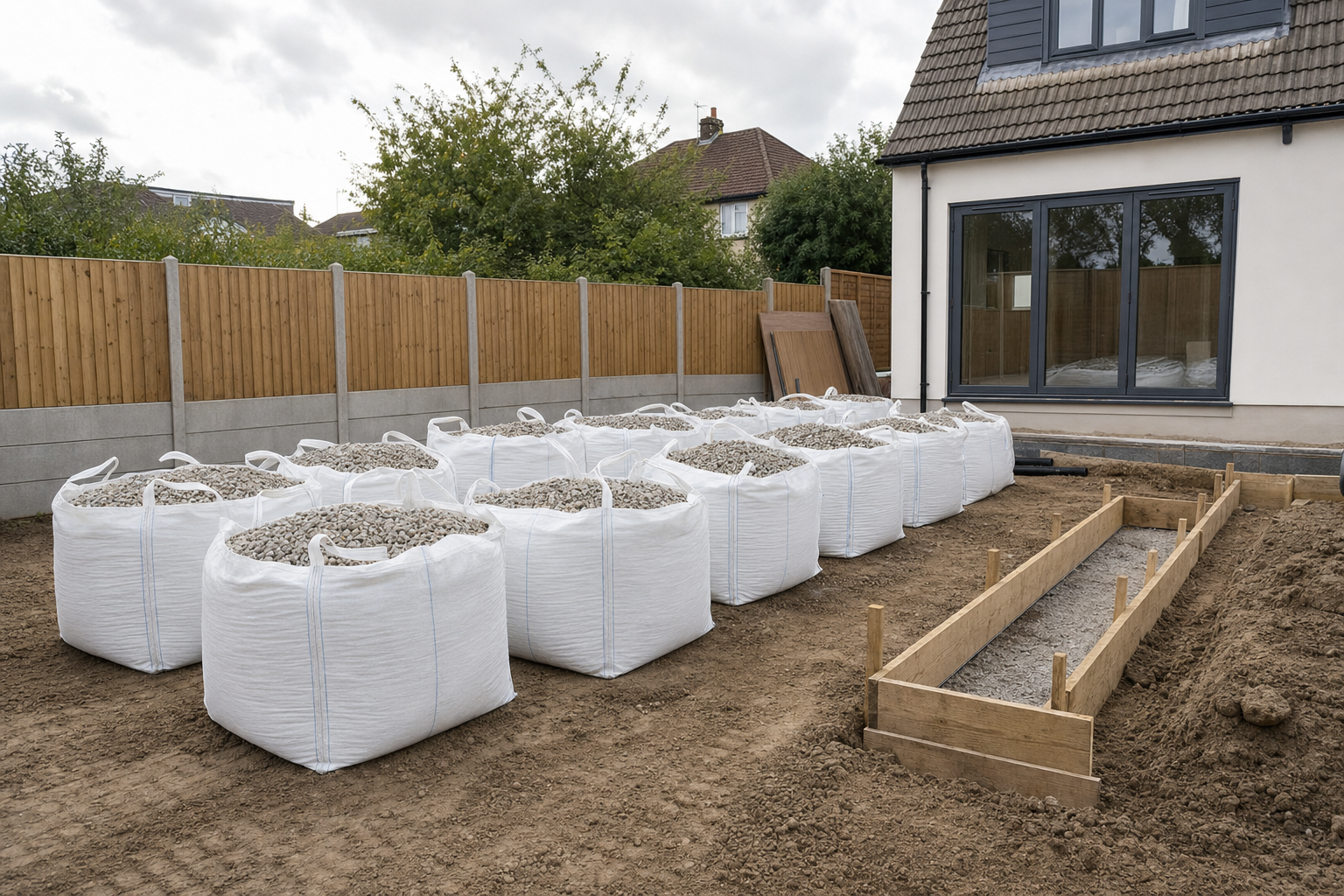
Before delivery, it helps to think about where the ballast will be tipped, how it will be kept clean and how it will be moved to the mixing area. The scale of the pour, any project specification and your site handling arrangements all affect what quantity makes sense. We need good access for the lorry and enough room to unload safely. A delivery through HD Grab Hire Ltd is easier to manage when the storage area is prepared in advance and protected from contamination before the material is used.
Frequently asked questions
What is ballast mainly used for?
Ballast is mainly used as part of a concrete mix for foundations, bases, footings and similar construction work. Because it usually feeds straight into a planned pour or sequence of pours, the right amount on site matters if you want the work to continue without avoidable interruptions.
How do I judge the right amount to order?
The quantity depends on the volume of concrete you need and the mix you are working to. If you can share the scale of the pour and any specification that applies, we can talk through the order in a more practical way and help you avoid running short during the job.
How should ballast be stored once delivered?
It helps to have a clear space ready before the lorry arrives, with room to tip the load safely and keep it away from contamination. Planning the storage spot close to the working area can also make the rest of the job easier, because the material does not need to be moved as far before mixing.